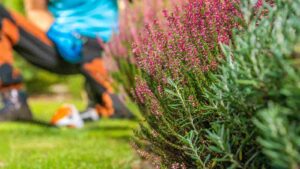
Brown patches creeping across the lawn, shrubs drooping by mid-afternoon, and flower beds that looked vibrant in the spring now looking tired and thirsty. If your yard has felt like a losing battle lately, you’re not imagining things. This is shaping up to be one of the driest stretches Tampa has seen in close to two decades, and the ground is showing it.
The good news is that a stressed landscape isn’t a lost one. With the right approach to watering, plant care, and soil health, your yard can pull through this dry spell looking better than a lot of the neighbors’ lawns. It just takes a shift in strategy, not a bigger water bill.
Tampa’s Water Situation Is No Joke Right Now
Rainfall totals across west-central Florida have fallen well below normal, and reservoirs, rivers, and groundwater supplies are all feeling the pinch. The Southwest Florida Water Management District has pushed the region into Modified Phase III Extreme Water Shortage rules, which will stay in place through October 1, 2026. That’s not a minor inconvenience. It’s a real signal that the water table is under pressure and every household needs to treat outdoor watering differently than they have in past summers.
For homeowners, this means irrigation is now limited to one assigned day per week, and only during specific overnight windows. Hand watering and low-volume irrigation get a little more flexibility, but even that comes with time restrictions. Ignoring these rules isn’t just risky for your landscape; it can also lead to fines. Working within them, on the other hand, is completely doable once you know how to make every drop count.
Watering Smarter, Not More Often
Once-a-week watering sounds scary if you’re used to running sprinklers every couple of days, but plants are more resilient than most people give them credit for. The trick is training your landscape to develop deeper, more drought-tolerant roots instead of relying on frequent shallow watering.
- Water during your assigned overnight window (12am to 4am or 8pm to 11:59pm) so less moisture is lost to evaporation
- Use a soaker hose or drip irrigation for garden beds instead of overhead sprinklers, which waste water to wind and heat
- Check your irrigation system for leaks, broken heads, or overspray onto pavement, since even small issues add up fast during a shortage
- If you’re hand watering, aim for early morning before 8am or evening after 6pm, and always use a hose with a shutoff nozzle
- Group plants with similar water needs together so you’re not overwatering drought-tolerant species to keep thirsty ones alive
Sticking to this kind of schedule, even when it feels like too little, actually helps your lawn and garden beds build the deeper root systems they need to survive extended dry periods without constant babying.
Choosing Plants That Actually Want to Be Here
Not every plant in a Tampa yard is built for Florida weather, and a drought like this one has a way of exposing which ones were never a great fit to begin with. This is a good moment to start thinking long-term about what you’re planting and where.
Florida Friendly Favorites
Native and Florida-friendly species like muhly grass, coontie, firebush, and yaupon holly are made for exactly this kind of stress. They’ve adapted to sandy soil, intense heat, and inconsistent rainfall over generations, which means they don’t panic the way a thirsty hydrangea or azalea might during a dry summer. Swapping out a few high-maintenance ornamentals for native alternatives can dramatically cut down on how much supplemental water your yard needs going forward.
Turf That Can Take the Heat
Bahia and zoysia grasses tend to handle drought stress far better than St. Augustine, which is notorious for browning quickly once watering restrictions kick in. If your lawn has been struggling every summer regardless of how much you water it, this drought might be the nudge to consider a more resilient turf variety during your next renovation.
Mulch, Soil, and the Stuff Nobody Talks About Enough
It’s easy to focus all your attention on watering schedules and forget that what’s happening underground matters just as much. Healthy soil holds onto moisture longer, which means your plants aren’t scrambling for water the second a few days pass without rain. A thick layer of mulch, roughly two to three inches, around trees, shrubs, and garden beds does a remarkable job of locking in soil moisture and keeping root zones cooler.
Compacted or sandy soil, which is common throughout the Tampa area, drains too quickly to be much help during a shortage like this one. Aerating your lawn and mixing organic compost into garden beds improves water retention significantly, giving roots something to hold onto between waterings. Skipping fertilizer during peak drought stress is also worth considering, since pushing new growth on a plant that’s already struggling to hydrate just adds more strain.
Mowing Habits That Protect Your Lawn
Most people don’t think of mowing as part of drought management, but cutting height plays a bigger role than you’d expect. Taller grass shades its own root system and the soil beneath it, slowing down moisture loss and reducing heat stress on the blades themselves.
Raising your mower deck by even half an inch during the hottest, driest months can make a noticeable difference in how green your lawn stays. Dull mower blades tear grass instead of cutting it cleanly, which creates more stress and opens the door to disease, so keeping your equipment sharp matters more right now than it might during a normal season. Cutting less frequently and never removing more than a third of the blade length in one mow also helps the lawn conserve energy for root growth instead of recovery.
When to Call in Some Backup
A point comes where DIY effort hits its limit, especially when watering restrictions are this strict and the stakes for your landscape are this high. A trained eye can spot early signs of drought stress, fungal issues, or irrigation inefficiencies long before they become visible to the average homeowner. Adjusting irrigation zones, selecting the right drought-tolerant plants for your specific soil and sun exposure, and building a long-term maintenance plan are all things that pay off far more than reactive watering ever will.
Tampa’s landscapes weren’t built to survive on guesswork, and this drought has made that clearer than ever. A little strategic planning now can save your yard from months of stress and save you from the frustration of watching your investment fade under the sun.
Let’s Get Your Yard Through This Dry Spell Together
Every yard in Tampa is dealing with the same water restrictions right now, but not every yard has to look the same by the end of summer. LS Gardens works with homeowners across the area to build landscapes that hold up under pressure, from smarter irrigation planning to drought-resilient plant selection and soil care that actually makes a difference. If your lawn or garden beds are struggling to keep up with the current water shortage, reach out and let’s put together a plan that works with the restrictions instead of against them.